

Fresh Pressed
Fresh Pressed is where we share simple tips, everyday wellness ideas, and behind-the-scenes moments - all focused on fresh food, good habits, and feeling your best.

Smoothies are one of the most direct ways to experience ingredient quality, which is why seasonal ingredients make such a noticeable difference. When fruits and greens are in season, they tend to be fresher, more flavourful, and easier to build around. This results in smoothies that taste cleaner, more balanced, and more satisfying without needing extra additions. This article explains why that happens and how to apply it in a simple, everyday way. TL;DR Seasonal ingredients are often more flavourful and fresh . Smoothies highlight ingredient quality more than other meals. Better ingredients mean less need for sweeteners or add-ons . Seasonal blends tend to feel more balanced and natural . Small ingredient swaps can noticeably improve taste. Keep your smoothie routine the same, just rotate ingredients. Why Smoothies Taste Better with Seasonal Ingredients Smoothies are simple by design, which is exactly why ingredient quality matters so much. There is nothing to hide behind. No cooking methods, no heavy sauces, no distractions. What you put in is what you taste. That is why seasonal ingredients stand out immediately. Better Ingredients, Better Flavour When ingredients are in season, they are typically: Harvested closer to peak ripeness Less dependent on long storage or transport Naturally more vibrant in taste This leads to smoothies that feel: Brighter Cleaner More naturally sweet You notice it right away. Why Smoothies Amplify the Difference In many meals, flavours can be adjusted or masked. Smoothies do the opposite. They: Blend everything together Highlight each ingredient Make quality more noticeable If the ingredients are fresh and in season, the result is smooth and balanced. If not, it is harder to compensate. Less Need to Fix the Flavour When ingredients are not at their best, people often try to adjust: Adding sweeteners Increasing flavour boosters Overcomplicating combinations Seasonal ingredients reduce the need for all of that. A simple blend often works better because the base ingredients already carry the flavour. More Natural Balance Seasonal smoothies tend to feel more balanced without effort. That is because: Ingredients naturally complement each other Flavours align with the time of year The overall experience feels more cohesive You are not forcing combinations, you are working with what fits. How This Shows Up in Fredericton In Fredericton, where seasonal changes are clear, the difference in ingredients is noticeable throughout the year. Summer smoothies often feel lighter and more vibrant, while winter options shift toward consistency and balance. When ingredients are in season: Flavours feel more natural Smoothies require less adjustment Choices become easier Across New Brunswick, these seasonal shifts are part of everyday eating patterns. Small Changes Make a Big Difference You do not need to completely change your smoothie. Even one small swap: Using seasonal fruit Rotating greens Adjusting one ingredient Can noticeably improve the final result. Keep It Simple The best approach is often the simplest one. Start with a base you already like Swap in seasonal ingredients Avoid overcomplicating it This keeps your routine consistent while improving quality. Where The Squeeze Fits In The Squeeze focuses on ingredient quality, which is why seasonal ingredients naturally play a role in how smoothies are built. By offering flexible options that adapt throughout the year, it allows you to experience better flavour without needing to change your routine. It is a simple way to get more out of what you are already ordering. Frequently Asked Questions Do seasonal ingredients really make that much difference? Yes. In smoothies especially, the difference in flavour is noticeable. Do I need to change my smoothie every season? No. Small ingredient swaps are usually enough. Sources Health Canada – Healthy Eating and Whole Foods https://www.canada.ca Harvard T.H. Chan School of Public Health – Diet Quality and Food Choices https://www.hsph.harvard.edu Food and Agriculture Organization (FAO) – Seasonal Food Systems https://www.fao.org

A seasonal eating calendar helps simplify food choices by giving you a general sense of what to eat throughout the year. Instead of guessing or overplanning, you can follow a loose rhythm based on what is naturally available. This guide breaks the year into simple sections and highlights how ingredients, flavours, and meal styles tend to shift. The goal is to make seasonal eating feel organized, not complicated. TL;DR Seasonal eating follows a natural yearly rhythm . Each season brings different ingredients and meal styles. You do not need exact rules, just general awareness. Smoothies and bowls are easy to adjust year-round. Use this as a guide, not a strict plan. Small seasonal shifts help maintain variety and balance. Your Year-Round Seasonal Eating Calendar Instead of thinking about seasonal eating as a concept, it helps to think of it as a cycle. Each part of the year brings a different set of ingredients, flavours, and preferences. Once you recognize that pattern, making choices becomes much easier. Spring: Fresh Start and Lighter Options Spring is when things begin to shift back toward freshness. Common patterns: Greens become more prominent Flavours feel lighter and cleaner Meals start to feel less heavy Smoothie ideas: Greens + citrus Light fruit combinations Simple, refreshing blends This is often a reset period where routines feel lighter again. Summer: Bright, Hydrating, and Fruit-Forward Summer is the most vibrant season for produce. Common patterns: High availability of fresh fruit Lighter, more refreshing meals Quick, easy options Smoothie ideas: Berry blends Tropical combinations Citrus-forward drinks These smoothies are often more hydrating and less filling, which fits warmer days. Fall: Balanced and Slightly More Grounded Fall creates a transition between light and heavy. Common patterns: Introduction of apples and heartier produce Slightly richer flavours More balanced meals Smoothie ideas: Apple-based blends Subtle spice-inspired flavours Combinations that feel a bit more filling It is less about heaviness and more about balance. Winter: Consistent, Simple, and Routine-Based Winter tends to simplify routines. Common patterns: Less focus on variety More reliance on consistent ingredients Meals that prioritize convenience Smoothie ideas: Balanced blends with protein and fats Simple, repeatable combinations Options that feel reliable day-to-day In New Brunswick winters, consistency often matters more than creativity. How This Works in Fredericton In Fredericton, the seasonal cycle is clear and predictable, which makes this approach easy to follow. Summers are active, lighter, and more flexible Winters are structured, consistent, and routine-driven This calendar aligns with how people already live. It does not require major changes, just small adjustments as the seasons shift. Use This as a Guide, Not a Rulebook This is not about following a strict schedule. Instead: Use it as a reference Adjust based on what feels right Keep your routine simple The goal is to support your habits, not complicate them. Why This Makes Eating Easier Having a general framework: Reduces decision fatigue Keeps meals interesting Helps you stay consistent without overthinking It turns seasonal eating into something automatic rather than something you have to plan. Where The Squeeze Fits In The Squeeze naturally aligns with this seasonal rhythm by offering flexible smoothies and bowls that can adapt throughout the year. Whether you are leaning into lighter summer blends or more balanced winter options, it allows you to stay consistent while still evolving your choices. It simplifies seasonal eating into something you can follow without effort. Frequently Asked Questions Do I need to follow this exactly? No. It is a general guide, not a strict plan. What if my routine does not change much? Even small ingredient swaps can help align your meals with the season. Sources Health Canada – Healthy Eating Recommendations https://www.canada.ca Food and Agriculture Organization (FAO) – Seasonal Diets https://www.fao.org Harvard T.H. Chan School of Public Health – Diet Variety https://www.hsph.harvard.edu

Smoothies are one of the easiest ways to align your routine with the seasons. Instead of drinking the same blend year-round, small ingredient changes can make smoothies feel more refreshing in summer or more balanced in winter. This article breaks down what to drink in each season and how to adjust your choices without overthinking it. The goal is to keep your routine consistent while letting flavours evolve naturally. TL;DR Smoothies can easily adapt to seasonal ingredients and preferences . Summer leans toward light, refreshing, fruit-forward blends . Fall introduces warmer, more grounded flavours . Winter focuses on balance, consistency, and simplicity . Spring brings back fresh, lighter combinations . Keep the structure the same, just rotate ingredients. Seasonal Smoothies: What to Drink in Each Season Most people stick to one or two smoothie options all year. The easier approach is to keep your smoothie routine the same, but adjust the ingredients depending on the season. This keeps things consistent while making your choices feel more aligned with how your day and environment change. Summer: Light, Fresh, and Hydrating Summer smoothies tend to be the most refreshing. Focus on: Berries like strawberry, blueberry, raspberry Citrus for brightness Water-rich fruits like watermelon These combinations feel lighter and work well on warmer days when you want something quick and refreshing. Fall: Slightly Warmer, More Grounded Flavours As the weather cools, smoothie preferences often shift. Fall blends can include: Apple-based combinations Subtle spice-inspired flavours Ingredients that feel a bit more filling The goal is not to make them heavy, just slightly more balanced and grounding. Winter: Simple, Balanced, and Consistent Winter is usually less about variety and more about routine. Smoothies during this time often focus on: Consistent ingredients Balanced combinations of fruit, protein, and fats Options that are easy to rely on day-to-day Convenience becomes more important, especially during colder months in New Brunswick. Spring: Fresh, Clean, and Reset-Oriented Spring naturally brings a shift back toward lighter options. You might notice: More greens added back in Brighter, fresher flavours Simpler combinations that feel clean and easy It is less about change and more about refreshing your routine. How This Works in Fredericton In Fredericton, seasonal changes are clear, and they naturally influence what people reach for. Hot summer days make lighter, fruit-forward smoothies more appealing, while colder winters often shift choices toward consistency and balance. Adjusting your smoothie seasonally simply means: Paying attention to how your preferences shift Making small changes to match the season Keeping your routine intact Across New Brunswick, these patterns are part of everyday life. Keep the Structure, Change the Ingredients You do not need a completely new menu every season. Instead: Keep your go-to smoothie format Swap fruits, greens, or add-ons Adjust based on what feels right This approach keeps things simple and sustainable. Why This Approach Works Seasonal smoothies: Prevent routine fatigue Improve flavour naturally Keep your choices aligned with your day It is a small shift that makes a noticeable difference over time. Where The Squeeze Fits In The Squeeze makes seasonal smoothie choices easy by offering flexible options that can adapt throughout the year. Whether you are leaning toward lighter blends in the summer or more balanced options in the winter, you can adjust your order without changing your routine. It is a simple way to stay consistent while still evolving your choices. Frequently Asked Questions Do I need different smoothies for each season? No. You can keep the same base and adjust ingredients slightly. Are seasonal smoothies better? They often taste better and feel more aligned with your routine. Sources Health Canada – Healthy Eating Guidelines https://www.canada.ca Harvard T.H. Chan School of Public Health – Diet Variety https://www.hsph.harvard.edu Food and Agriculture Organization (FAO) – Seasonal Diet Patterns https://www.fao.org
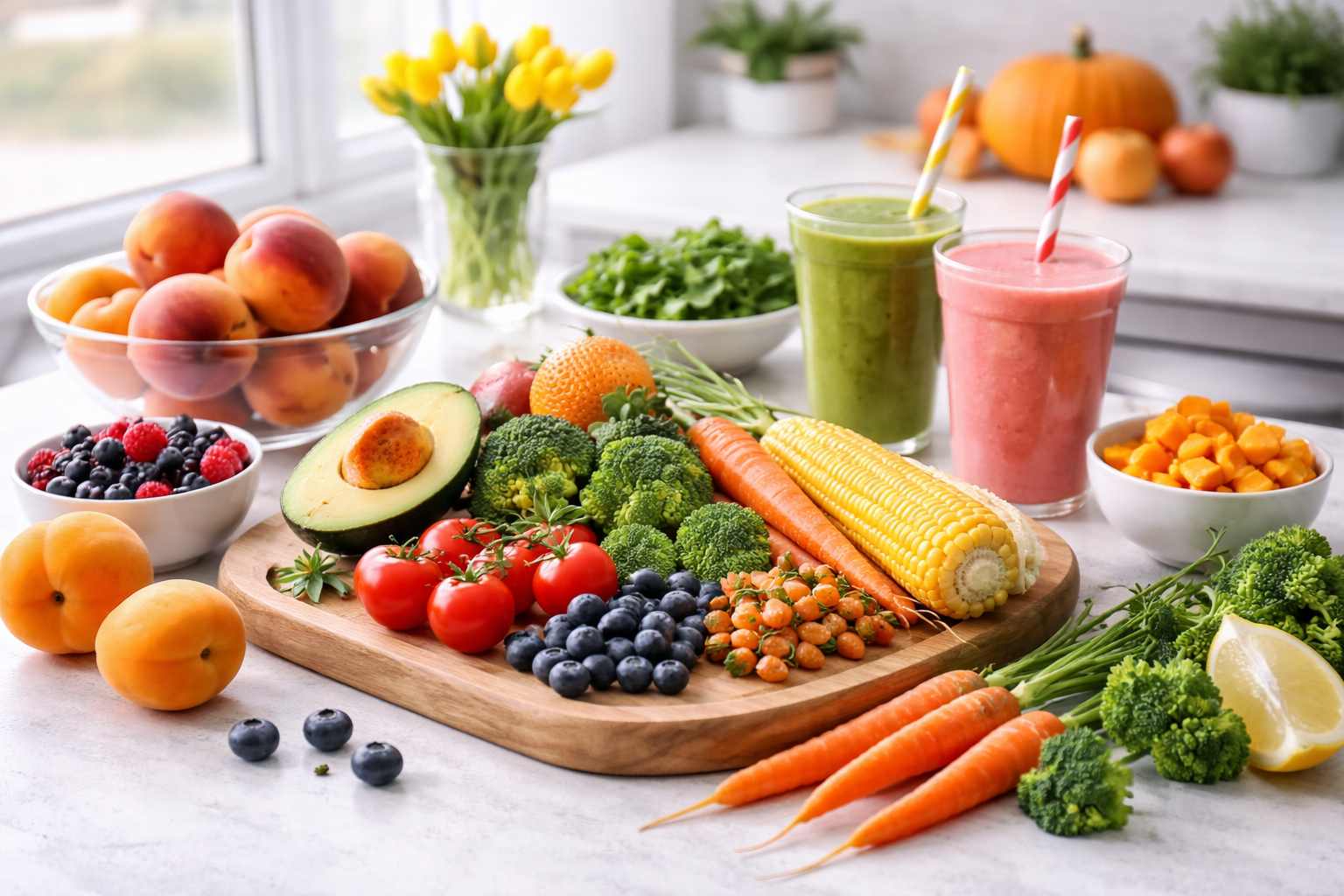
Climate and seasons play a direct role in what produce is available, how it tastes, and how it fits into your routine. From temperature changes to growing cycles, these factors influence everything from freshness to variety throughout the year. This article breaks down how climate shapes produce and what that means for everyday eating. The goal is to make the connection simple and practical, not technical. TL;DR Climate determines what produce grows and when . Seasonal changes affect availability, freshness, and variety . Different times of year naturally shift how meals are built. Local climates, like New Brunswick’s, create noticeable food patterns. Smoothies and bowls adapt easily to these changes. Understanding this helps make food choices simpler. How Climate & Seasons Influence Fresh Produce Fresh produce does not just appear on shelves randomly. It follows patterns shaped by climate, weather, and time of year. Understanding these patterns makes it easier to see why certain foods show up when they do, and why they sometimes taste better depending on the season. Climate Sets the Foundation Climate refers to long-term weather patterns in a region, things like temperature, rainfall, and sunlight. These factors determine: What can grow locally When crops are harvested How long growing seasons last For example, colder climates tend to have shorter growing seasons, while warmer climates allow for longer or more varied production. Seasons Drive Availability While climate sets the baseline, seasons create the rhythm. Throughout the year: Spring brings early greens and lighter produce Summer introduces fruits and high-volume harvests Fall shifts toward root vegetables and heartier options Winter often limits fresh local produce These cycles influence what is available at any given time. Why Freshness Changes Throughout the Year Produce that is in season is often: Harvested closer to when you buy it Less dependent on long-distance transport More aligned with natural growing conditions This is why it tends to taste better and feel fresher. Out-of-season produce is still available, but it often comes from different regions or storage methods. How This Impacts Everyday Meals These shifts naturally affect how people eat. You might notice: Lighter meals in warmer months More consistent, simple meals in winter Changes in flavour preferences over time These patterns are not forced, they reflect what is available and how routines change. How Smoothies Adapt to Climate and Seasons Smoothies are one of the easiest ways to adapt to these changes. They allow you to: Rotate ingredients based on availability Adjust flavours throughout the year Maintain a consistent routine while changing inputs For example: Summer smoothies may lean toward berries and citrus Fall might introduce apple or spice-inspired blends Winter often focuses on balance and convenience Climate and Food in New Brunswick In New Brunswick, climate plays a noticeable role in food patterns. Shorter growing seasons and colder winters create clear shifts in availability. This leads to: More fresh variety in warmer months A greater reliance on consistency and convenience in winter In Fredericton, these changes are part of everyday life. Food choices often follow the same rhythm as the seasons, whether intentionally or not. Why Understanding This Matters You do not need to track growing cycles or memorize seasons. Simply understanding that: Food availability changes for a reason Taste and freshness are often seasonal Your routine can adjust naturally This makes it easier to make practical, informed choices without overthinking it. Keep It Simple and Observational The easiest approach is to stay aware. Notice: What shows up more often What tastes better at certain times What fits your routine That awareness is enough to guide better choices over time. Where The Squeeze Fits In The Squeeze reflects these natural shifts by offering smoothies and bowls that can adapt to changing ingredients and preferences throughout the year. This makes it easier to stay consistent while still aligning with seasonal availability. It allows you to follow the rhythm of the seasons without needing to think too much about it. Frequently Asked Questions Does climate really affect how food tastes? Yes. Growing conditions can impact flavour, texture, and overall quality. Do I need to eat differently every season? No. Small adjustments based on availability are usually enough. Sources Agriculture and Agri-Food Canada – Climate and Crop Production https://agriculture.canada.ca Food and Agriculture Organization (FAO) – Climate and Food Systems https://www.fao.org Harvard T.H. Chan School of Public Health – Diet and Food Systems https://www.hsph.harvard.edu

Using seasonal ingredients at home does not need to mean complicated recipes or extra time in the kitchen. In reality, it is about making small, creative adjustments to meals you already enjoy. Whether it is swapping ingredients, changing flavours, or simplifying how you prepare food, seasonal eating can feel easy and flexible. This article explores practical ways to use seasonal ingredients without adding friction to your routine. TL;DR Use seasonal ingredients by swapping, not overhauling meals . Keep meals simple, just adjust one or two ingredients . Smoothies, bowls, and snacks are the easiest to adapt. Rotate flavours instead of changing full recipes. Seasonal eating at home should feel easy and flexible . Creativity comes from small changes, not big effort. Creative Ways to Use Seasonal Ingredients at Home Seasonal eating at home often sounds like it requires more effort than it actually does. The reality is much simpler. You are not creating new meals from scratch, you are just finding small ways to use what is available and in season. Swap Ingredients, Not Meals One of the easiest ways to start is by swapping ingredients instead of changing the entire meal. For example: Replace one fruit in your smoothie with a seasonal option Switch greens based on what is available Adjust toppings depending on the time of year This keeps your routine intact while adding variety. Build Around What You Already Like You do not need to experiment with unfamiliar meals. Instead: Start with meals you already enjoy Layer in seasonal ingredients where they fit This approach makes the process feel natural instead of forced. Use Smoothies as a Creative Base Smoothies are one of the most flexible ways to use seasonal ingredients. You can: Rotate fruits based on the season Add different greens or boosters Adjust flavour profiles without changing structure It is one of the easiest ways to stay consistent while still being creative. Create Simple Seasonal Combinations You do not need complex recipes to make seasonal ingredients work. Simple combinations often work best: Berry + greens in summer Apple + spice-inspired blends in fall Balanced, neutral mixes in winter These small changes keep things interesting without adding effort. Keep Prep Minimal Creativity does not need to mean more work. Focus on: Ingredients that require little to no prep Options that can be used quickly Meals that fit into your existing routine This is what makes it sustainable. Think in Terms of Rotation Instead of constantly trying new things, think about rotating ingredients. For example: Use one fruit for a few weeks, then switch Alternate greens or add-ons Change flavours gradually over time This keeps meals fresh without overwhelming your routine. How This Looks in Fredericton In Fredericton, where routines often shift with the seasons, small adjustments at home tend to work best. Longer summer days might make lighter, quicker meals more appealing, while colder months often shift toward simplicity and consistency. Using seasonal ingredients creatively just means adapting to those shifts: Keeping meals simple Adjusting based on what is available Avoiding unnecessary complexity Across New Brunswick, this kind of flexibility is what makes seasonal eating realistic. Keep It Practical, Not Perfect You do not need to get creative every day. Even occasional changes: Add variety Keep meals interesting Support better habits over time The goal is to make it feel easy, not optimized. Where The Squeeze Fits In The Squeeze makes it easy to bring these ideas into your routine, even if you are not preparing everything at home. With flexible smoothies and bowls, you can experiment with seasonal ingredients in a way that feels simple and consistent. It is a practical extension of what you might already be doing at home. Frequently Asked Questions Do I need recipes to use seasonal ingredients? No. Simple swaps and combinations are usually enough. What if I do not have time to cook? Focus on easy formats like smoothies or quick meals that require minimal prep. Sources Health Canada – Healthy Eating Patterns https://www.canada.ca Food and Agriculture Organization (FAO) – Sustainable Diets https://www.fao.org Harvard T.H. Chan School of Public Health – Healthy Meal Planning https://www.hsph.harvard.edu

Seasonal foods are simply ingredients that are naturally available at certain times of the year. While the concept sounds specific, the reality is very practical, it is about choosing foods that fit the current season rather than relying on the same options year-round. This guide breaks down what seasonal foods are, why they matter, and how to start using them without overthinking it. The focus is on making it easy to apply in everyday routines. TL;DR Seasonal foods are ingredients that are naturally available at certain times of year . They often taste better and feel more aligned with the season. You do not need to change everything, just start with small swaps. Smoothies and bowls are easy ways to use seasonal ingredients. Seasonal eating should feel simple and flexible. Even small changes can improve variety and balance. A Beginner’s Guide to Seasonal Foods If you are new to seasonal eating, the idea can feel more complicated than it actually is. At its core, it is just about paying attention to what foods naturally show up at different times of the year, and using those as your starting point. You are not following a strict plan, you are simply adjusting what you choose. What Are Seasonal Foods Seasonal foods are ingredients that are harvested or naturally available during a specific time of year. For example: Berries are more common in the summer Apples and squash show up in the fall Greens tend to vary depending on the season Instead of forcing these foods year-round, seasonal eating means leaning into when they are at their best. Why Seasonal Foods Matter The biggest difference is how food feels and tastes. Seasonal foods are often: Fresher More flavourful Easier to build meals around They also help create variety without needing to constantly search for new ideas. You Do Not Need to Change Everything One of the most common misconceptions is that seasonal eating requires a full reset. It does not. A better approach: Keep your usual meals Swap in seasonal ingredients where it makes sense This keeps your routine stable while still improving it. Easy Ways to Start The easiest way to begin is to keep things small and simple. You can: Add seasonal fruit to your smoothie Change one ingredient in a bowl Try a different combination once or twice a week You are not trying to do everything at once. Why Smoothies Make It Easier Smoothies are one of the simplest ways to use seasonal foods. They allow you to: Swap ingredients easily Keep flavours balanced Stay consistent with your routine For example: Summer might lean toward berries Fall could include apple-based blends Winter may focus on balance and convenience The format stays the same, only the ingredients change. Seasonal Foods in Fredericton In Fredericton, seasonal changes are part of everyday life, and food naturally follows that pattern. Summer brings lighter, fresher ingredients, while winter tends to shift toward more consistent, easy options. Starting with seasonal foods simply means paying attention to those changes and making small adjustments as they happen. Across New Brunswick, this approach feels natural because the seasons are so distinct. Keep It Flexible Seasonal eating is not about rules. You do not need to: Avoid certain foods completely Follow a strict seasonal list Overcomplicate your choices Instead, you: Stay aware Make small adjustments Keep things simple Where The Squeeze Fits In The Squeeze makes it easy to start using seasonal foods without needing to think too much about it. With flexible smoothie and bowl options, you can adjust ingredients based on the time of year while keeping your routine consistent. It is a simple way to ease into seasonal eating without changing how you order or eat. Frequently Asked Questions Do I need to eat only seasonal foods? No. Seasonal eating is about balance, not restriction. What if I do not know what is in season? Start small. Even noticing one or two ingredients is enough to begin. Sources Health Canada – Healthy Eating Basics https://www.canada.ca Food and Agriculture Organization (FAO) – Seasonal Food Systems https://www.fao.org Harvard T.H. Chan School of Public Health – Diet Variety https://www.hsph.harvard.edu

Seasonal eating is not just about availability, it directly impacts how food tastes, how meals feel, and how easy it is to maintain a balanced routine. When you align your meals with the time of year, you naturally introduce more variety and reduce the need for overcomplicating your choices. This article highlights the core benefits of seasonal eating and how they show up in everyday life. The goal is to make it practical and easy to apply. TL;DR Seasonal foods often have better flavour and freshness . Naturally encourages variety throughout the year . Helps meals feel more aligned with your routine and environment . Can simplify food choices instead of complicating them. Works easily with smoothies, bowls, and quick meals. Small seasonal adjustments are enough to see benefits. Seasonal Eating Benefits You Should Know Seasonal eating is one of those habits that feels subtle but has a noticeable impact over time. You are not changing everything at once. You are simply adjusting your choices to match what is naturally available, and that shift tends to improve how meals taste, feel, and fit into your day. Better Flavour Without Extra Effort One of the most immediate benefits is taste. Foods that are in season tend to: Taste more vibrant Feel fresher Require fewer additions to improve flavour This is especially noticeable in smoothies, where ingredients are not masked by cooking or heavy sauces. More Variety Without Overthinking It It is easy to fall into repetitive eating habits. Seasonal eating helps break that cycle by naturally introducing: Different fruits and vegetables New flavour combinations Subtle changes in routine Instead of forcing variety, it happens automatically as the seasons change. Meals That Feel More Balanced When you eat with the season, meals often feel more aligned with how your body and routine shift throughout the year. For example: Lighter, fresher options in warmer months More filling, grounded meals in colder months This balance tends to feel more natural than sticking to the same meals year-round. Simpler Decision-Making Seasonal eating can actually make choices easier. Instead of asking, “What should I eat?” you shift to: “What’s available right now?” That small change: Reduces decision fatigue Makes ordering or preparing meals faster Keeps things consistent Works Naturally With Smoothies and Bowls Smoothies and bowls are ideal for seasonal eating because they are flexible. You can: Swap fruits based on the season Adjust greens or add-ons Keep the same structure while changing ingredients This allows you to stay consistent while still adapting. How This Shows Up in Fredericton In Fredericton, seasonal changes are not subtle, they shape daily routines. Longer summer days bring lighter, more refreshing food choices, while winter tends to shift toward convenience and consistency. Seasonal eating fits into that rhythm: It reflects how people already live It does not require major changes It supports more natural habits Across New Brunswick, these patterns are part of everyday life, which makes seasonal eating feel practical rather than forced. Small Changes That Add Up You do not need to fully commit to seasonal eating to see benefits. Even simple adjustments: Adding one seasonal ingredient Rotating flavours occasionally Being slightly more aware of availability These small shifts create noticeable improvements over time. Where The Squeeze Fits In The Squeeze makes seasonal eating easy by offering flexible smoothie and bowl options that can adapt throughout the year. Whether it is fresh, fruit-forward blends in warmer months or more balanced combinations in colder seasons, it allows you to stay consistent while still evolving your choices. It removes the complexity and keeps the focus on simple, quality ingredients. Frequently Asked Questions Do I need to fully switch to seasonal eating? No. Even small adjustments can provide benefits. Is seasonal eating harder in winter? Not necessarily. It just shifts toward different types of ingredients and routines. Sources Health Canada – Healthy Eating and Food Choices https://www.canada.ca Food and Agriculture Organization (FAO) – Sustainable Diets https://www.fao.org Harvard T.H. Chan School of Public Health – Diet Variety and Health https://www.hsph.harvard.edu

Fresh ingredients are often talked about, but the real value comes down to how they impact taste, consistency, and overall eating experience. Meals made with fresh ingredients tend to feel lighter, more balanced, and more enjoyable without needing extra effort. This article explains why freshness matters and how it fits into everyday routines, especially for quick meals like smoothies and bowls. The focus is on practical benefits, not ideal scenarios. TL;DR Fresh ingredients improve flavour and texture . Help meals feel more balanced and satisfying . Often require less processing and fewer additions . Make smoothies and bowls taste cleaner and more natural. Support consistency in everyday eating habits. Small upgrades in quality can make a noticeable difference. Why Fresh Ingredients Make a Difference Fresh ingredients are one of those things people recognize immediately, even if they cannot always explain why. A smoothie made with fresh fruit feels different. A bowl built with fresh components tastes different. The difference is not subtle, it is something you notice right away. It Starts With Flavour The most obvious difference is taste. Fresh ingredients: Tend to be more vibrant Have more natural flavour Do not rely on added elements to stand out This is especially noticeable in smoothies, where the ingredients are front and center. Texture and Consistency Matter Too Fresh ingredients also affect how food feels. In smoothies and bowls: Fresh fruit blends smoother Greens feel lighter Ingredients hold their natural texture better This creates a more consistent and enjoyable experience. Less Reliance on Add-Ons When ingredients are fresh, you often do not need to compensate for anything. There is less need for: Extra sweeteners Heavy flavour additions Overcomplicating the build The base does most of the work. Why This Matters for Everyday Meals For people with busy routines, the goal is not to build perfect meals, it is to make good choices quickly. Fresh ingredients help with that because: They simplify decision-making They reduce the need for adjustments They make meals feel complete without extra effort This is what makes them practical, not just ideal. Fresh Ingredients in Smoothies and Bowls Smoothies and bowls highlight ingredient quality more than most meals. There is less hiding behind cooking methods or sauces. What you use is what you taste. That is why freshness matters more here: Fruit defines the flavour Greens affect the overall feel Add-ons either enhance or distract A simple build with fresh ingredients often outperforms a more complex one. How This Shows Up in Fredericton In Fredericton, where routines often involve quick stops and on-the-go meals, freshness becomes even more noticeable. When you are grabbing something between errands or during a short break, you are not looking for something complicated. You are looking for something that feels good right away. Fresh ingredients help deliver that: Cleaner taste More consistent experience Less guesswork Across New Brunswick, where seasonal shifts affect availability, freshness can also change throughout the year, which adds natural variety. Small Changes, Big Impact You do not need to overhaul your diet to benefit from fresh ingredients. Even small changes: Choosing fresh over processed Adding one or two fresh components Keeping meals simple These shifts tend to make a noticeable difference over time. Where The Squeeze Fits In The Squeeze focuses on using fresh ingredients to build smoothies and bowls that feel simple, consistent, and balanced. Instead of relying on heavy additions, the emphasis is on letting the ingredients speak for themselves. This approach makes it easier to grab something quickly that still feels high quality. Frequently Asked Questions Do fresh ingredients always taste better? In most cases, yes. Fresh ingredients tend to have more natural flavour and better texture. Does fresh mean more complicated? No. In many cases, fresh ingredients simplify meals rather than complicate them. Sources Health Canada – Healthy Eating and Whole Foods https://www.canada.ca Harvard T.H. Chan School of Public Health – Whole vs Processed Foods https://www.hsph.harvard.edu Cleveland Clinic – Benefits of Whole, Fresh Foods https://health.clevelandclinic.org

Building meals around what’s in season does not require a full reset of how you eat. It is about making small adjustments based on what is fresh, available, and naturally aligned with the time of year. This approach can make meals feel easier, more varied, and more connected to your environment. This article breaks down how to do it in a simple, practical way that fits into real routines. TL;DR Start with what’s available , not a fixed meal plan. Build meals around 1–2 seasonal ingredients at a time. Keep your base consistent, change the ingredients. Smoothies, bowls, and simple meals adapt easily. Seasonal eating should feel flexible, not restrictive . Small changes over time are what make it sustainable. How to Build Meals Around What’s in Season Seasonal eating is one thing. Actually building meals around it is another. The key is not to overthink it. You do not need to reinvent your meals every season. Instead, you adjust what goes into them while keeping your routine mostly the same. Start With What’s Available The easiest way to begin is to look at what is naturally available right now. That might mean: Fresh berries in the summer Apples and squash in the fall Greens reappearing in the spring Instead of forcing specific meals, you let these ingredients guide your choices. Keep Your Base the Same One of the biggest mistakes is trying to change everything at once. A better approach: Keep your core meals consistent Swap in seasonal ingredients For example: A smoothie stays a smoothie A bowl stays a bowl A quick breakfast stays quick Only the ingredients shift. Build Around One or Two Seasonal Ingredients You do not need to use everything that is in season. Start with one or two: Add seasonal fruit to your smoothie Swap greens based on availability Adjust toppings or add-ons This keeps things simple and manageable. Use Flexible Meal Formats Some meals are easier to adapt than others. The most flexible options tend to be: Smoothies Bowls Wraps or simple plates These formats allow you to change ingredients without changing how the meal works. Think in Terms of Feel, Not Rules Seasonal eating is not about strict guidelines. Instead, think: Lighter, fresher options in warmer months More grounding, filling options in colder months This naturally aligns your meals with how your day feels. How This Looks in Fredericton In Fredericton, the shift between seasons is noticeable, and it naturally influences how people eat. In the summer, routines feel lighter and more flexible. In the winter, meals tend to be more about convenience and consistency. Building meals around what is in season simply means leaning into those shifts instead of fighting them. Whether you are grabbing something between stops or ordering quickly, small adjustments go a long way. Make It Work for Busy Days For most people, time is the biggest factor. That is why this approach works: You are not changing your routine You are not adding extra steps You are simply choosing slightly different ingredients This keeps things realistic. Consistency Over Perfection You do not need to get it right every time. Even occasional seasonal swaps: Add variety Improve balance Keep meals from feeling repetitive Over time, those small changes build better habits. Where The Squeeze Fits In The Squeeze makes it easy to build around seasonal ingredients without needing to think too much about it. With flexible smoothie and bowl options, you can adjust flavours and add-ons depending on the time of year. It allows you to stay consistent while still eating in a way that feels aligned with the season. Frequently Asked Questions Do I need to change my meals every season? No. Keeping your structure the same and adjusting ingredients is usually enough. What if seasonal options are limited? You can still make small adjustments. Even one seasonal ingredient can make a difference. Sources Health Canada – Healthy Eating Guidelines https://www.canada.ca Food and Agriculture Organization (FAO) – Seasonal Food Systems https://www.fao.org Harvard T.H. Chan School of Public Health – Diet Variety and Balance https://www.hsph.harvard.edu