

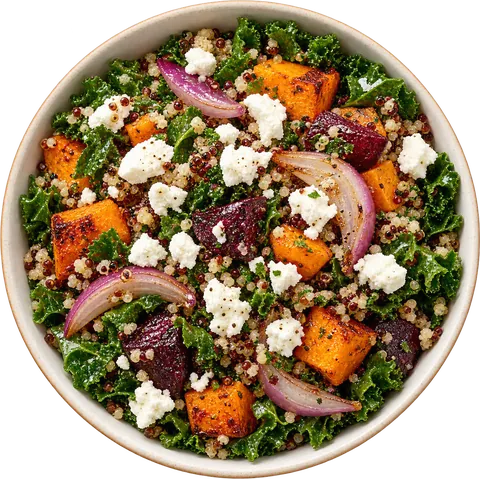




- Training breaks muscle tissue down slightly, and protein gives your body the material it uses to rebuild.
- Spreading protein across breakfast, lunch, and supper tends to work better than one large evening serving.
- Think in palm sized servings at meals rather than chasing precise numbers you will not track anyway.
- Plant sources work well when you eat a variety of beans, tofu, nuts, seeds, and grains.
- Adding a protein to a salad turns a light lunch into something that carries your afternoon.
- Keep two or three easy defaults ready for the days a Fredericton week gets away from you.
If you train regularly you have probably heard that protein matters, usually shouted from a supplement label or a poster on a gym wall. What tends to get lost is the plain explanation of why. Protein is not a performance drug and it will not make a hard session feel easy, but it is the material your body uses to repair what training breaks down, which is a much less dramatic and much more useful idea.
This is a practical look at that idea for people fitting training into a normal Fredericton week. No clinical numbers and no supplement pitch, just how repair works, why spreading protein across the day tends to beat one big hit at supper, how plant and animal sources compare, and where to find something decent downtown on the days lunch has to happen in twenty minutes.
What Actually Happens After You Train
Training creates small amounts of stress in your muscle tissue. Nothing dramatic, and nothing that needs treating, but the fibres you worked come out of a session slightly disrupted, and your body spends the next day or two rebuilding them. That rebuilding is the part that makes you stronger over time, which means the adaptation you are chasing happens in the hours after the workout rather than during it.
Soreness a day or two later is the most visible sign of this process, though it is a poor measure of how good a session was. Plenty of productive training leaves you feeling perfectly fine, and plenty of soreness comes from doing something unfamiliar rather than something effective. What matters more is whether you give the repair work what it needs, which is rest, enough food, and reasonable consistency week to week.
Why Protein Is the Repair Material
Muscle is built largely from protein, and the protein you eat gets broken down into amino acids that your body then uses to rebuild tissue. That is the whole mechanism in a sentence. Carbohydrate refills your energy stores and fat does its own set of jobs, but neither can stand in for protein when the task is repair, which is why the amount you eat tends to matter a bit more on training days.
Your body does not stockpile protein the way it stores carbohydrate and fat, so it works largely from what you have eaten recently. That is the practical reason a steady supply through the day tends to serve you better than a single large serving. It also means missing protein at breakfast and lunch is harder to make up at supper than most people assume when they are planning their eating around one meal.
Spreading Protein Across Your Day
Most people eat in a lopsided way without ever noticing. Toast or a coffee in the morning, something light at midday, then most of the day's protein arriving on a plate at seven in the evening. Shifting some of that earlier usually costs very little effort, and it gives your body material to work with during the hours when you are actually moving around, training, and doing the recovering.
A useful test is to look at each meal and ask whether you can name the protein in it. If you cannot, that meal is a candidate for a small change: eggs with your toast, yogurt alongside your fruit, chickpeas or chicken in your salad at noon. Nothing here needs to become a project, and the change tends to show up as steadier energy within a week or two of sticking with it.
How Much Protein Do You Need
Precise numbers get complicated quickly and depend on your size, your training, and your goals, so it is more useful to think in shapes than in grams. A serving of protein roughly the size of your palm at each main meal is a reasonable starting picture for most active people, with something protein rich in your snacks as well if you are training hard several days a week.
If you are eating that way and still feeling flattened by ordinary sessions, the problem is often total food rather than protein specifically, since undereating in general makes recovery harder no matter how neatly the protein is arranged. Anyone with particular health goals or conditions is better off talking with a dietitian than working from a blog post, this one included, because individual situations vary more than any article can cover.
Plant and Animal Sources Both Work
Animal sources such as eggs, dairy, chicken, fish, and beef are convenient because they carry a lot of protein per serving and cover the full range of amino acids without any planning at all. If you eat them, they make reaching a reasonable intake straightforward, and small habits like Greek yogurt in the afternoon or a couple of eggs at breakfast do a lot of quiet work across a week of training.
Plant sources take slightly more thought but do the job perfectly well. Beans, lentils, chickpeas, tofu, edamame, hemp hearts, nuts, and whole grains all contribute, and eating a variety across the day covers whatever any single source happens to be lighter in. A bowl with beans and rice, or a salad with tofu and peanuts in it, is a genuinely solid recovery meal rather than a compromise.
Easy Protein Boosts at Lunch
Lunch is where most people lose ground, because it happens fast and often gets treated as a gap filler between meetings. A salad with no protein on it is the classic example: pleasant, light, and gone from your system within the hour. Adding chicken, tofu, halloumi, or a fried egg turns the same bowl into something that supports an afternoon of work and whatever training you have planned for the evening.
At The Squeeze on Regent Street the salad protein add-ons do exactly that, and the Crunchy Thai Peanut with tofu is a good example of a plant based lunch that actually holds you until supper. If you are in a bigger hurry, the Strengthen smoothie with peanut butter, banana, and flax takes the protein add on well and can be drunk on the walk back to your desk.
Protein on a Busy Fredericton Week
Fredericton weeks have a rhythm to them. Early starts, a lunch hour that vanishes, and training squeezed into whatever gap survives, whether that is a run along the Saint John River, a class downtown, or an hour at the gym on the way home from work. Planning elaborate meals around all that is unrealistic for most of us, so the goal is a handful of defaults you can reach for without deciding anything.
That might mean eggs in the fridge for the mornings you are running late, a tin of chickpeas for a fast lunch at home, and one known order downtown for the days you have nothing ready. Winter makes this harder, since cooking after a cold walk home through the downtown core is nobody's favourite thing, so leaning on simple defaults matters most from January onward.
Small Habits, Steadier Recovery
Protein is not complicated, and it does not deserve the intensity the internet brings to it. Eat some at most meals, favour a spread across the day over one enormous supper, take your sources from wherever suits the way you already eat, and pay a bit more attention on the days you train hard. That covers the ground for most people without any tracking, weighing, or spreadsheets at all.
The payoff is quiet rather than dramatic. Sessions stop leaving you wrecked for two days, ordinary weeks start to feel more manageable, and progress shows up gradually instead of stalling out. If you are in Fredericton and want one easy default, a proper lunch with something protein rich in it beats almost anything you can buy in a tub, and it tastes considerably better too.
Eat well in Fredericton.
The Squeeze is downtown Fredericton's spot for fresh, made-to-order smoothies built with real ingredients. Whether you're a smoothie regular looking for inspiration or someone just getting started, stop in or order ahead — we make it easy to eat well.
Order from The Squeeze