
- Tropical fruits, fruit juice bases, and sweetened yogurts are the main culprits behind high-sugar smoothies.
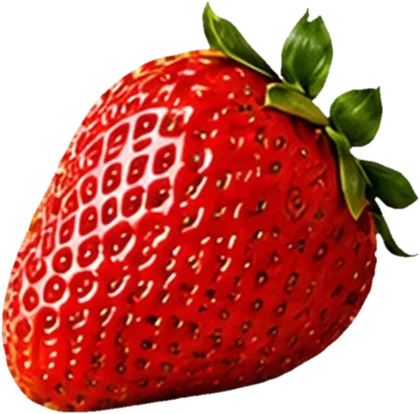
- Berries, avocado, leafy greens, and unsweetened nut milks are your best building blocks for lower-sugar options.
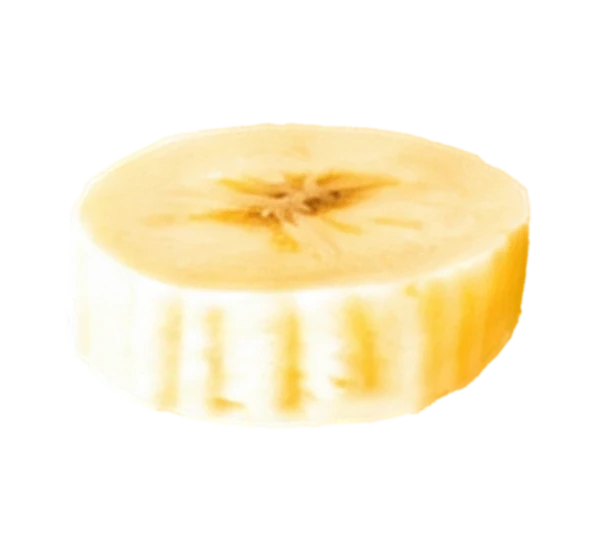
- Cinnamon, vanilla, and small amounts of frozen banana can satisfy a sweet craving without adding much sugar.
- Low-sugar doesn't mean low-flavour — the goal is smart building, not elimination.
- Health Canada recommends limiting free sugars; whole fruit in moderate amounts is a very different thing from added sugar.
- A well-built lower-sugar smoothie can taste just as satisfying as a sweeter version when ingredients are balanced properly.
Not every smoothie needs to taste like a dessert. But the assumption that low-sugar automatically means bland or unsatisfying is worth pushing back on. The truth is that a well-built lower-sugar smoothie — one that relies on the right ingredients and smart combinations — can be just as enjoyable as a sweeter version. It just requires knowing which ingredients are working for you and which are quietly stacking up the sugar content.
This isn't about restriction. It's about building with intention so you can enjoy smoothies regularly without a sugar crash following shortly after.
Where Sugar Sneaks into Smoothies
Before talking about what to include, it's worth being clear about where sugar tends to accumulate in smoothies that might seem healthy but aren't quite.
Tropical fruit as the base: Mango, pineapple, and papaya are delicious and nutritious, but they are also relatively high in natural sugars. Using large amounts of these as the primary ingredient can push a smoothie's sugar content closer to what you'd find in a glass of juice. Used in smaller amounts, they're fine. Used as the foundation, they add up quickly.
Fruit juice as the liquid base: This is probably the most common hidden sugar contributor in smoothies. Juice removes fibre and concentrates sugars — a cup of orange juice contains roughly the equivalent sugar of three to four oranges, none of the fibre. Swapping juice for unsweetened nut milk or water makes a meaningful difference immediately.
Sweetened or flavoured yogurt: Fruit-on-the-bottom or vanilla-flavoured yogurts often contain substantial added sugar. Plain Greek yogurt is a much better choice — it contributes protein and creaminess without the sugar load.
Sweetened protein powders: Some protein powders contain significant added sugar or artificial sweeteners that affect the overall profile of a smoothie. Checking labels and opting for unflavoured or lightly sweetened versions helps.
The Best Low-Sugar Smoothie Ingredients
The following ingredients form the backbone of a lower-sugar smoothie that still delivers on flavour, texture, and nutritional value.
Berries are consistently among the best fruit choices for lower-sugar smoothies. Blueberries, raspberries, strawberries, and blackberries all deliver natural sweetness and deep flavour with significantly less sugar than tropical alternatives. They also bring antioxidants and fibre, which support overall health. Health Canada's food and nutrition guidance highlights the importance of limiting free (added) sugars while still enjoying whole foods like fruit as part of a balanced diet — berries fit that balance well.
Avocado adds a remarkably creamy texture and contains virtually no sugar. It contributes healthy monounsaturated fat, which also helps slow the absorption of any sugars present in the smoothie. A quarter to half of a ripe avocado blends into most smoothies seamlessly and transforms the texture considerably.
Leafy greens — spinach, kale, or Swiss chard — add micronutrients without sugar. Spinach in particular has an extremely mild flavour that is almost undetectable in a fruit-forward smoothie. Adding a generous handful boosts the nutritional value considerably at essentially no sugar cost.
Unsweetened nut milks — almond, cashew, oat (check for unsweetened versions), and coconut — provide a smooth liquid base without the sugar hit of juice or flavoured dairy alternatives. Unsweetened almond milk, for example, typically contains less than one gram of sugar per cup.
Plain Greek yogurt offers protein and creaminess. Full-fat or 2% versions contribute a satisfying richness that makes the smoothie feel more substantial. The tartness of plain yogurt also reduces the need for additional sweeteners.
Chia seeds add fibre and omega-3s with no sugar. They also thicken a smoothie slightly as they absorb liquid, improving texture without any additional ingredients.
How to Naturally Sweeten Without Adding Sugar
If you're used to sweet smoothies, going cold turkey on sweetness can feel like a step backward. The good news is that there are several ways to add perceived sweetness without reaching for honey, agave, or sweetened syrups.
Cinnamon is one of the most effective natural sweetness enhancers. It doesn't actually add sugar, but it activates the taste receptors in a way that reads as sweet. A quarter teaspoon in a smoothie can make a meaningful difference in how the finished product tastes.
Vanilla extract works similarly. A small amount — a half teaspoon or so — rounds out the flavour and creates a dessert-like quality without sugar. Pair it with berries and Greek yogurt for a result that tastes considerably sweeter than its ingredient list suggests.
Frozen banana in moderation is the fruit exception worth keeping in your toolkit. Half a frozen banana adds natural sweetness, creaminess, and thickness without the volume of sugar that comes from using it as the primary ingredient. The frozen texture also improves the overall smoothie consistency significantly.
A Medjool date (one, not several) can add sweetness and caramel-like depth to smoothies without the refined sugars found in syrups. Dates do contain natural sugar, but a single one used to sweeten a full smoothie adds context-appropriate sweetness.
Low-Sugar Combinations That Actually Work
Here are three tried combinations that demonstrate the principle in practice.
Berry and greens base: Frozen mixed berries, a large handful of spinach, half a cup of plain Greek yogurt, unsweetened almond milk, a pinch of cinnamon, and a splash of vanilla extract. This tastes sweet and fruity without relying on added sugar or juice. The spinach disappears completely into the berry flavour.
Avocado and cacao: Half an avocado, a tablespoon of unsweetened cacao powder, plain Greek yogurt, oat milk, and half a frozen banana. This blends into something that tastes remarkably like a chocolate milkshake. The avocado contributes creaminess; the cacao provides bitterness that balances the banana sweetness; the banana does the heavy lifting on flavour without being excessive.
Green citrus blend: Spinach, cucumber, green apple (half), lemon juice, ginger, and coconut water. No dairy, no added sugar, and the result is bright, refreshing, and hydrating. This is a good option in warmer months or as a lighter morning option when appetite is lower.
What Low-Sugar Smoothies Feel Like in Practice
One practical observation: lower-sugar smoothies often feel more balanced over time. The energy from a heavily fruit-juice-based smoothie tends to peak and then drop, while a smoothie built around protein, fat, fibre, and moderate fruit tends to sustain energy more evenly. This is especially noticeable on busy days in Fredericton when lunch might be delayed or the afternoon stretches longer than expected.
The goal is not to track sugar obsessively or avoid fruit. It's to build smoothies that feel good for a few hours, not just for the first twenty minutes after drinking them. Small shifts — swapping juice for nut milk, using plain yogurt instead of flavoured, reaching for berries before mango — make a compound difference over time without requiring any sacrifice in enjoyment.
The Mindset: Building Smart, Not Restricting
Low-sugar eating is most sustainable when it feels like upgrading your choices rather than limiting them. Every swap described in this article is about finding an ingredient that works better — not removing something for the sake of removing it. Spinach doesn't replace fruit; it adds to the nutritional value of the smoothie without subtracting from the flavour. Unsweetened nut milk doesn't sacrifice anything meaningful compared to juice; it just removes the sugar spike.
The smoothies that work best over the long term are the ones that taste good, feel good afterward, and are easy to make again. Low-sugar and enjoyable are not in opposition — they just require slightly more intentional ingredient selection at the start.
Eat well in Fredericton.
At The Squeeze, smoothies are made fresh with whole ingredients — no pre-sweetened mixes, no concentrates. Whether you're looking for something lighter or just want a real-ingredient alternative, we've got options worth trying. Stop in or order ahead.
Order from The Squeeze