



- Arrive at the gym already hydrated, because mid session sipping cannot make up a full day's shortfall.
- Take a few mouthfuls every ten or fifteen minutes rather than one large drink at the end.
- Use urine colour as your everyday check, aiming for pale straw instead of anything darker.
- Save electrolyte drinks for long, hot, or back to back sessions where you sweat heavily.
- Count water-rich foods, smoothies, and even your morning coffee toward your daily fluid total.
- Expect to need more water in winter, since heated gyms and cold dry air quietly drain you.
Most gyms in Fredericton are busiest during the dark half of the year, when the trails along the Saint John River are icy and the treadmill starts to look like a reasonable option. That is also the season when hydration slips quietly out of the picture, because you are not thinking about water the way you would in July, and the heated air indoors pulls more out of you than you would ever notice.
Hydration is not complicated, but it is easy to get wrong when you train regularly, and the cost shows up as workouts that feel harder than they should, a headache on the walk home, and recovery that drags into the next day. Here is a practical way to think about fluid around training, without turning it into one more thing you have to track on your phone every hour.
Hydrate Before You Reach the Gym
The work starts well before you walk through the gym doors. If you show up already short on fluid, no amount of sipping mid session will catch you up, since your body absorbs water at its own pace no matter how quickly you drink it. Aim to drink steadily through the day rather than loading up in the last ten minutes, which mostly just sends you looking for the washroom.
A reasonable habit is a glass of water when you wake up, another with each meal, and roughly two cups in the couple of hours before you train. If you are heading to a lunch hour class in downtown Fredericton, that means drinking through the morning rather than remembering at 11:45 on your way out. Your first few sets will feel noticeably different when you get this part right.
What to Sip During Your Workout
During a session, small and frequent beats large and occasional. A few mouthfuls every ten or fifteen minutes keeps things topped up without leaving you sloshing around, and for most workouts under an hour, plain water is genuinely all you need. Keep the bottle somewhere you can see it, because out of sight really does mean out of mind once you are focused on the set in front of you.
How much you need depends on how much you sweat, which varies a lot between people and between seasons. A rough guide is somewhere between half a litre and a litre an hour for moderate work, and more if you are a heavy sweater or the room happens to be warm. If your shirt is soaked through by the halfway point, you probably need more than you think.
Rehydrate Properly After Every Hard Session
After training, the goal is replacing what you actually lost rather than simply quenching the immediate thirst, since thirst tends to switch off before you are fully caught up. A simple check is to weigh yourself before and after a hard session once in a while. Whatever the scale dropped is mostly fluid, and drinking roughly a litre and a half for every kilogram lost puts you back on track.
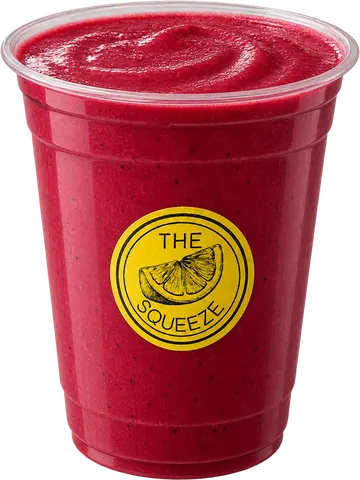
Practically, that means keeping the bottle going for a couple of hours afterwards rather than downing everything at once, which your body handles far better. Pairing fluid with your post-workout meal helps too, since the sodium and carbohydrate in food improve how well you hold onto what you drink. A smoothie on the walk home through Fredericton does double duty here, fluid and food in one cup.
Signs You Are Already Falling Behind
Thirst is a late signal, so it helps to know the earlier ones. Urine colour is the most useful everyday check, and pale straw is what you are aiming for, while anything approaching apple juice means you are behind. Fatigue that arrives sooner than usual, a dull headache in the afternoon, dry lips, and a heart rate sitting higher than normal for an easy effort are all worth noticing.
Performance clues matter as well. If your usual weights feel heavier for no obvious reason, or a loop around Odell Park that normally sits comfortably has you working much harder, mild dehydration is one of the first things to rule out because it is the cheapest to fix. For most people, a couple of well hydrated days is enough to tell whether that was really the problem.
When Electrolytes Actually Make a Difference
Electrolytes get a great deal of marketing attention, and for most gym sessions they are not necessary at all. Sodium, potassium, and magnesium do leave your body in sweat, but a normal diet with a bit of salt on your food replaces them without much effort on your part. Water plus your next meal handles the vast majority of training that happens inside an hour long window.
They start to matter when sessions run long, past about ninety minutes, when you are training in real heat, or when you sweat heavily and notice white salt marks drying on your gear. Tournaments, long rides, and back to back sessions are the honest use cases here. If that sounds like you, an electrolyte drink or some salty food alongside your water is worth having on hand.
Water-Rich Foods and Smoothies Count
A meaningful share of most people's daily fluid comes from food rather than the bottle, which is easy to forget. Cucumbers, tomatoes, lettuce, watermelon, oranges, berries, and yogurt are all mostly water, and they bring potassium and other minerals along with them. A big salad at lunch does more for your hydration than its reputation suggests, especially compared with a dry sandwich eaten quickly at your desk.
Blended and pressed drinks work the same way. A smoothie made with fruit is largely water by weight, and a freshly squeezed lemonade on a warm Fredericton afternoon is a genuinely pleasant way to get fluid into someone who finds plain water boring. If drinking enough is your sticking point, leaning on food and flavoured fluid is a perfectly sensible strategy rather than a cheat.
Coffee, Dry Winter Air, and Heated Gyms
Coffee is not the villain it was once made out to be. The caffeine has a mild diuretic effect, but the fluid in the cup more than makes up for it, so your morning coffee before a session still counts toward your total for the day. The catch is when coffee replaces water entirely, which happens easily on a cold Fredericton morning when nothing else sounds appealing at all.
Winter is quietly the harder season for staying hydrated. Cold air holds less moisture, heated buildings and gyms dry things out further, and you lose fluid through your breathing without ever feeling sweaty. Add a thirst response that is blunted in the cold, and it is completely normal to finish a February workout more dehydrated than a July one while feeling like you barely worked.
Build the Habit, Train Better
The habit is really the whole thing, and habits work best when they are attached to something you already do without thinking. A glass with each meal, a bottle filled before you leave the house, and a few mouthfuls between sets are small enough to stick around. Most people who fix their hydration do it with a container they actually enjoy carrying rather than with willpower or another phone reminder.
If you train downtown, The Squeeze is at 81 Regent Street in Fredericton, open Monday to Saturday from 8:30am to 4:30pm, and a smoothie or a freshly squeezed lemonade after a session is an easy way to get fluid and food in at the same time. Get the basics right on most days and your training will feel steadier right through every season.
Eat well in Fredericton.
The Squeeze is downtown Fredericton's spot for fresh, made-to-order smoothies built with real ingredients. Whether you're a smoothie regular looking for inspiration or someone just getting started, stop in or order ahead — we make it easy to eat well.
Order from The Squeeze