





- Refuel with real carbohydrates first, since low fuel stores are what keep legs feeling heavy.
- Keep protein steady across the day so your muscles have what they need to rebuild.
- Lean on colourful produce, oily fish, ginger, and turmeric to support everyday recovery.
- Rehydrate properly after heavy sweating, including a little sodium with your food or drinks.
- Protect sleep for a few nights, because it does more for recovery than any supplement.
- Ease back into training gradually and resist the urge to eat less after a big effort.
Some weeks ask more of your body than usual. Maybe you stacked heavy sessions on top of a full work schedule, raced on the weekend, played a tournament, or spent two days climbing hills and came home sore in places you forgot existed. Whatever the cause, the aftermath tends to feel the same: legs like sandbags, an appetite that swings between ravenous and absent, and a strong suspicion that another hard workout is a bad idea.
Recovery is not just resting until the soreness fades. What you eat and drink in the days afterwards decides how quickly you feel like yourself again, and whether the following week starts strong or starts flat. Here is a straightforward way to eat and recover after a heavy stretch of training in Fredericton, using ordinary food you can find downtown or already have in the fridge.
What a Hard Training Week Actually Costs
A demanding week leaves you with a few specific deficits, and naming them makes the fix obvious. Your muscle glycogen, the stored carbohydrate your body burns during hard efforts, is running low. There is muscle tissue to repair, fluid and sodium to replace after sweating, and a nervous system that has been asking for effort day after day. None of that is damage exactly, but all of it needs raw materials to sort out.
This is why the tired feeling can linger for days even when nothing hurts. If you finish a big weekend on the trails near Killarney Lake and then eat lightly on Monday because you are busy, you are asking your body to rebuild without supplies. The aim for the next few days is simple: give it more fuel than usual, not less, and keep the food fairly boring and consistent.
Refuel With Carbohydrates Before Anything Else
Carbohydrate is the first thing to restock, and it is the piece most people skip because protein gets all the attention. Rice, potatoes, pasta, oats, sourdough, and fruit all refill those stores, and the days right after a big effort are exactly when your body puts them to use most readily. Heavy legs that do not improve after a rest day are very often a fuelling problem rather than a fitness one.
You do not need to double your portions or eat anything unusual. Add a proper serving of a starchy food to each meal, keep fruit around for snacks, and stop treating carbohydrate as something to earn. If cooking feels like too much on the first day back, a grain based lunch such as the Tie Dye salad with its quinoa and beets covers the same ground without any effort.
Keep Protein Steady Through the Whole Day
Repair work happens over days, not minutes, so a steady supply of protein tends to serve you better than one enormous dinner. Aim to include a source at breakfast, lunch, and supper, and again in a snack if you are particularly sore. Eggs, yogurt, fish, chicken, tofu, beans, and lentils all work, and mixing them through the week brings a wider range of minerals along for the ride.
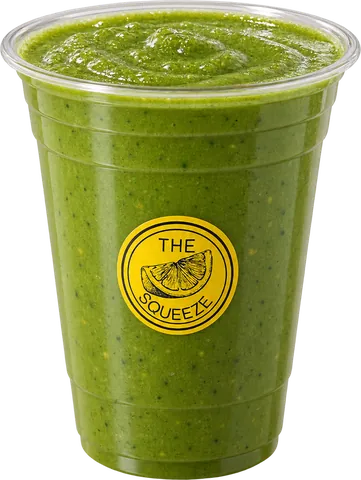
Appetite can be strange after a hard block, sometimes enormous and sometimes missing entirely. When food feels unappealing, liquid calories are a reliable workaround, and a smoothie from The Squeeze with a protein add on is often easier to face than a plate. The goal is simply to keep the supply coming, because muscles rebuilding after a tournament or a long race are working away quietly in the background all week.
Anti-Inflammatory Produce for Sore Muscles
Some inflammation after hard training is normal and even useful, since it is part of how your body adapts. What helps is a background diet full of colourful plants rather than anything dramatic. Berries, cherries, leafy greens, beets, peppers, and oily fish such as salmon or sardines all support that process, along with ginger and turmeric, which are worth including simply because they are easy to add to food.
Practically, this means aiming for a few different colours on your plate each day rather than tracking anything. Soups, stir fries, and big salads make it painless. If you are downtown on Regent Street and want something along these lines without cooking, a Restore smoothie with pineapple, ginger, and turmeric is a pleasant way to get some of it in on a sore afternoon.
Rehydrate Properly After Heavy Sweating
You lose more fluid than you think across a hard week, especially in a humid Fredericton summer or in an overheated gym in February, and mild dehydration makes recovery feel much slower than it is. Plain water covers most of it, but after long or very sweaty sessions you also want sodium, which is easily handled by salting your food normally or including broth, olives, or something similarly salty with a meal.
A reasonable habit is to keep a bottle within reach for the two or three days after a big effort and to drink with meals rather than trying to catch up all at once in the evening. Pale urine and steady energy through the afternoon are good enough signs. If plain water is boring, sparkling water, herbal tea, or a fresh lemonade all count towards the total.
Sleep Is Part of Your Recovery Plan
No amount of careful eating replaces sleep after a demanding week. Most of the repair work your body does happens overnight, which is why one late night can undo the benefit of an otherwise perfect rest day. If you can find an extra half hour for a few nights, that tends to do more for how you feel than any supplement or recovery gadget on the market.
Food and sleep are connected here too. Going to bed genuinely underfed after a big day often means waking at three in the morning, so a proper supper with carbohydrate and protein is worth protecting. Cutting caffeine off earlier in the afternoon helps as well, which is easier said than done during a busy stretch of work, but it pays off quickly.
Ease Back in With Gentle Movement
Complete rest is not always the fastest route back. For most people, easy movement in the days after a hard block helps more than sitting still, because it keeps blood moving through sore muscles without adding meaningful stress. A slow walk across the Bill Thorpe Walking Bridge, a loop through Odell Park, an easy spin, or twenty relaxed minutes of mobility work all fit that description nicely.
The rule of thumb is that it should feel almost too easy, and you should finish better than you started. Save the intensity for when the heaviness has genuinely lifted, which is usually somewhere between two days and a week depending on what you did. Coming back gradually is what lets you string good weeks together instead of alternating between big efforts and forced time off.
Recover Well, Come Back Stronger
The mistake worth avoiding is eating less after a heavy week because you are moving less. Your body is doing repair work that costs energy, and under fuelling during that window is the surest way to drag the tiredness into the following week. Keep meals regular, keep carbohydrate on the plate, keep protein coming, and let your appetite settle back to normal over a few ordinary days.
None of this needs to be complicated, and it should not add another chore to a week that already took plenty out of you. Cook simply, lean on a decent lunch downtown when you need to, and give yourself a few days of eating and sleeping well before asking hard questions of your legs again. That is most of what recovery in Fredericton actually looks like.
Eat well in Fredericton.
The Squeeze is downtown Fredericton's spot for fresh, made-to-order smoothies built with real ingredients. Whether you're a smoothie regular looking for inspiration or someone just getting started, stop in or order ahead — we make it easy to eat well.
Order from The Squeeze