




- Smoothies work best as a complement to a varied diet — not a replacement for whole food meals.
- The best times for a smoothie are breakfast, post-workout, and afternoon — each serves a different practical purpose.
- Building nutritional balance into a smoothie means including protein, fat, fibre, and carbohydrates together rather than just fruit.
- There are situations where smoothies aren't the right tool — knowing when not to rely on them is as useful as knowing when to.
- Dietitians of Canada emphasize food variety, and smoothies are a useful way to add variety and whole-food nutrients to a routine.
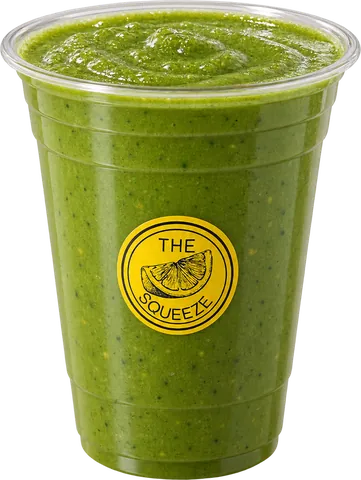
- At The Squeeze in Fredericton, smoothies are built from real whole ingredients — not pre-mixed bases — which makes a meaningful difference in nutritional quality.
The wellness industry has a habit of elevating smoothies to a status they don't quite deserve — treating them as a cure-all for poor eating habits or a shortcut to optimal health. The reality is more grounded and more practical than that. Smoothies are a useful tool in a balanced diet, but they work best when you're honest about what they can and can't do.
This article is about placing smoothies correctly within the context of everyday eating — when they're genuinely helpful, how to build them so they actually contribute nutritional value, and when you're better off reaching for something else.
Smoothies as a Complement, Not a Replacement
Dietitians of Canada consistently emphasize that variety in eating patterns is one of the most important contributors to good nutritional health. Eating a wide range of whole foods — vegetables, fruits, proteins, whole grains, and healthy fats — provides a broad spectrum of nutrients that no single food or drink can fully replicate.
Smoothies can contribute meaningfully to that variety. A well-built smoothie might include frozen berries, spinach, banana, Greek yogurt, and a handful of seeds — ingredients that collectively span multiple food groups and provide a range of vitamins, minerals, protein, and fibre. That's genuinely useful.
Where smoothies fall short is when they replace the variety they're supposed to supplement. Drinking a fruit-only smoothie every morning instead of eating breakfast doesn't add variety — it narrows it. Using smoothies as a workaround for a diet that's otherwise poor in vegetables and whole foods doesn't fix the underlying pattern. Smoothies work when they're added to a reasonable diet, not used as a shortcut away from building one.
When Smoothies Work Best: Timing and Context
Smoothies have three natural windows where they fit particularly well into everyday eating.
Breakfast is the most common and arguably the best fit. On mornings when time is tight — which in Fredericton might mean rushing from a home on the north side to a downtown office or a university class — a well-built smoothie is faster than most cooked breakfasts and more nutritious than skipping the meal entirely. The key is building it with enough protein and fat to last through the morning rather than relying on fruit alone, which fades quickly.
Post-workout is the second strong use case. The 30 to 60 minutes following exercise is when muscle tissue is most receptive to protein for repair and carbohydrates for glycogen replenishment. A smoothie with protein (Greek yogurt, protein powder, or hemp seeds) and fruit (especially banana) addresses both needs quickly and conveniently, when appetite is often lower and solid food feels less appealing.
Mid-afternoon is the third window — the period between lunch and dinner when energy dips and the temptation to reach for less nutritious snacks is highest. A moderate smoothie that includes some protein and fibre can bridge this gap without overloading calories before dinner.
How to Build Nutritional Balance Into a Smoothie
A smoothie that's only fruit is a snack. A smoothie that includes protein, fat, fibre, and carbohydrates is closer to a meal. The ingredients you choose determine which it is.
Protein can come from Greek yogurt, cottage cheese, protein powder, hemp seeds, nut butter, or a combination. Aim for at least 15 to 20 grams if you want the smoothie to feel meal-like and sustaining.
Healthy fats from nut butter, seeds, or avocado slow digestion and contribute to satiety. They also help fat-soluble vitamins from fruits and vegetables be absorbed properly — a nutritional benefit that's easy to miss.
Fibre is already present when you use whole fruit rather than juice, and it's easily boosted by adding leafy greens, oats, or chia seeds. Fibre slows the absorption of natural sugars and helps the smoothie hold you longer.
Carbohydrates come naturally from fruit and are necessary for energy. The goal isn't to avoid them — it's to balance them with protein and fat so the energy they provide is released gradually rather than all at once.
Together, these components create something that genuinely functions as part of a balanced diet rather than just a flavoured drink.
When Not to Rely on Smoothies
Being clear about the limits of smoothies is as useful as knowing their strengths. There are specific situations where a smoothie is not the right tool.
Smoothies are not a substitute for the variety and nutritional density of a full meal at the table, particularly one that includes cooked vegetables, whole grains, and a range of textures. The act of eating whole food — chewing, tasting a range of ingredients, taking time to sit — serves functions beyond just delivering nutrients. Replacing every meal with a smoothie removes that dimension of eating entirely.
Smoothies are also not ideal for vegetable servings that benefit from cooking. Cruciferous vegetables like broccoli and cauliflower, for example, are more nutritionally available after cooking. Leafy greens like spinach are fine raw in a smoothie, but the full range of vegetables shouldn't all be going into a blender.
And smoothies are not a substitute for medical or clinical nutrition guidance if you have specific health conditions, dietary requirements, or are managing an illness. General wellness guidance is different from individualized nutrition support, and a smoothie is not treatment.
The Quality of Ingredients Matters More Than It Seems
Not all smoothies are equivalent. A smoothie made from whole frozen fruit, real Greek yogurt, and fresh greens is nutritionally different from one made from a pre-mixed powder base reconstituted with water and ice. The flavour difference is usually obvious, but the nutritional difference is less visible and equally real.
Whole ingredients retain more of their fibre, vitamins, and phytonutrients than processed alternatives. A frozen strawberry is still a strawberry — it contains the same fibre, vitamin C, and antioxidants as a fresh one. A strawberry-flavoured powder base is a processed product that approximates some of that, at best.
At The Squeeze in Fredericton, smoothies are built from real whole ingredients — frozen fruit, actual produce, and real add-ons — not pre-mixed bases. That choice reflects an understanding that quality of ingredients matters, and it's part of why The Squeeze's smoothies taste like what they're made of rather than a generic commercial version of the same thing.
Smoothies and Dietary Variety in a Fredericton Context
Fredericton's seasons create a natural rhythm to eating. Summers offer local produce — berries, stone fruit, fresh herbs — that can go directly into a smoothie and taste noticeably better than their off-season counterparts. In the long New Brunswick winters, when fresh local produce is limited and comfort food is more appealing, a smoothie made from good frozen fruit and quality additions can be one of the more nutritious things on the menu.
For people in Fredericton managing busy weekday schedules — commutes, work, errands, school — the convenience factor of smoothies is a legitimate nutritional asset. A meal that doesn't get eaten because it's inconvenient to prepare provides no nutritional value at all. A smoothie that someone actually drinks on a busy Tuesday morning does.
The goal is eating well consistently, not eating perfectly occasionally. Smoothies, used thoughtfully as part of a varied diet, support that kind of consistent, practical good eating.
Putting Smoothies in Their Proper Place
A smoothie is a useful, flexible, and genuinely nutritious option when it's built well and placed correctly within a broader eating pattern. It is not a miracle, not a shortcut, and not a substitute for the wider variety and whole-food richness that a balanced diet requires.
The practical rule is simple: build your smoothie with protein, fat, fibre, and carbohydrates. Drink it at a time when it serves a clear purpose — morning, post-workout, or afternoon. Treat it as one part of a varied diet rather than the whole of it. Pay attention to what you put in it.
Done that way, smoothies are one of the more effective and convenient tools available for everyday healthy eating. That's enough — it doesn't need to be more than that to be genuinely worthwhile.
Eat well in Fredericton.
At The Squeeze on Regent Street, smoothies are made with real whole ingredients — part of a menu built around genuine, everyday healthy eating. Stop in or order ahead for pickup.
Order from The Squeeze