





- Build most meals around complex carbohydrates like oats, quinoa, rice, and sourdough so training has fuel.
- Spread protein across the whole day instead of saving almost all of it for dinner.
- Add avocado, nuts, seeds, and nut butters for steady energy on long or heavy days.
- Beets and leafy greens support blood flow and stamina, so keep them in regular rotation.
- Bananas and berries give quick, easy carbohydrates before and after a hard training session.
- Watch your iron intake, especially if you train often, eat plant based, or feel unusually tired.
If you train in Fredericton, you probably know the effort part is rarely the problem. You show up for the early session before work, you run the trails along the Saint John River when the weather cooperates, and you find a way to keep moving through a New Brunswick winter. What tends to slip is the fuelling, and that is usually what leaves you flat halfway through a workout you should have handled easily.
The good news is that eating for strength and endurance is far less complicated than the internet makes it sound. For most people it comes down to enough carbohydrates, steady protein, a bit of healthy fat, and plenty of colourful produce, arranged around when you actually train. Here is what that looks like in real food, with a few lunches you can pick up downtown when there is no time to cook.
Why Real Food Beats Complicated Supplement Stacks
It is easy to assume that better performance starts with a new powder or a shelf of pills, but for most people the biggest gains come from unglamorous basics. Eating enough, eating often enough, and eating a mix of carbohydrates, protein, and fat will do more for your training than almost anything you can buy in a tub. Whole foods also bring fibre, minerals, and water along with them, which supplements generally do not.
That matters more than usual when your training sits on top of a full life. Between shift work, classes at UNB or STU, and family schedules, plenty of people in Fredericton are training on whatever fuel the day happened to allow. Building a few reliable meals you can repeat, rather than chasing a perfect plan, tends to be what keeps energy stable across weeks and months instead of single good days.
Complex Carbohydrates That Power Long Sessions
Carbohydrates are the fuel your body reaches for first when you lift heavy or push the pace, and running low on them is what that heavy, sluggish feeling in the last twenty minutes usually means. Oats, quinoa, brown and white rice, potatoes, and good sourdough all refill those stores steadily. The slower, more fibrous options tend to suit meals a few hours before training, since they digest gently and keep you comfortable rather than full.
You do not need to weigh anything to get this right. Aim for a real serving of a starchy food at most meals, then add a little more on days with a long run or a big session. A rice and bean base, like the one in the First We Fiesta salad on Regent Street, is a good template to copy at home when you are cooking for the week ahead.
Lean Proteins and Plant Proteins for Repair
Protein is what your body uses to repair the small amounts of muscle damage that training creates, and it works best when it arrives steadily rather than all at once. Chicken, eggs, fish, and yogurt are simple options, and tofu, beans, lentils, edamame, and chickpeas do the same job well. Most people notice a difference simply by adding a protein source to breakfast and lunch instead of leaning entirely on supper.
Variety helps here, partly because different proteins bring different minerals along with them, and partly because you are far more likely to keep eating something you actually enjoy. A rough guide is to include a palm sized portion at each main meal, plus a little in snacks on heavy days. If you train in the evening, having protein at lunch means you are not starting the session already behind.
Healthy Fats That Keep Your Energy Steady
Fat gets left out of a lot of training advice, which is a shame, because it does the quiet work of keeping meals satisfying and energy level through a long afternoon. Avocado, olive oil, walnuts, almonds, pumpkin seeds, flax, hemp hearts, and peanut butter are all easy additions rather than whole new habits. They also help your body absorb some of the vitamins in the vegetables you are already eating.
The main thing to watch is timing. Fat digests slowly, so a heavy, oily meal right before a hard session can sit uncomfortably, while the same food a few hours earlier is genuinely useful. The Strengthen smoothie, with peanut butter, banana, and flax, is a good example of the balance: enough fat to hold you over, with plenty of quick carbohydrate alongside it.
Beets and Leafy Greens for Better Endurance
Beets and dark leafy greens have earned their reputation among endurance athletes, and the practical version is simple: they are rich in nitrates, which can support blood flow and make steady efforts feel a little more manageable. You do not need a special dose or a fancy shot. Roasted beets, beet in a smoothie, spinach, kale, arugula, and Swiss chard all count, and they are cheap and available year-round here.
Consistency matters more than any single serving, so think about getting them in a few times a week rather than loading up the morning of a race. Greens also bring folate, magnesium, and potassium, which quietly support the work your muscles are doing. If salad feels like a chore in February, a handful of spinach blended into a smoothie is a perfectly reasonable way to get there.
Bananas and Berries Before and After Training
When you need energy quickly, simple fruit is hard to beat. A banana an hour before a run gives you fast carbohydrate and potassium without much fibre or fat to slow you down, and it travels well in a gym bag or a jacket pocket on the way to the trails. Berries do something slightly different, adding antioxidants and colour that support the everyday recovery work happening between sessions.
After training, pairing fruit with a protein source is one of the easiest habits to build. Berries with yogurt, a banana with peanut butter, or a smoothie with a protein add on all do the job in under five minutes. It is a small routine, but it tends to make the next day's session feel noticeably better, especially when you are training several days in a row.
Iron-Rich Foods and Everyday Stamina
Iron is the mineral most likely to quietly hold back endurance, particularly for people who train hard, menstruate, or eat mostly plants. Low iron can leave you tired in a way that more sleep does not fix, and it usually shows up as effort feeling heavier than it should. Beef, lamb, chicken, sardines, lentils, beans, tofu, pumpkin seeds, and dark greens are all worth keeping in the weekly rotation.
Plant sources absorb better with vitamin C nearby, so tomatoes, peppers, citrus, or a squeeze of lemon alongside your beans and greens genuinely helps. Tea and coffee right with a meal can work against you, so a gap of an hour is a reasonable habit. If fatigue lingers for weeks despite decent eating and sleep, that is a conversation worth having with your doctor.
Fuel Well, Train Stronger Every Week
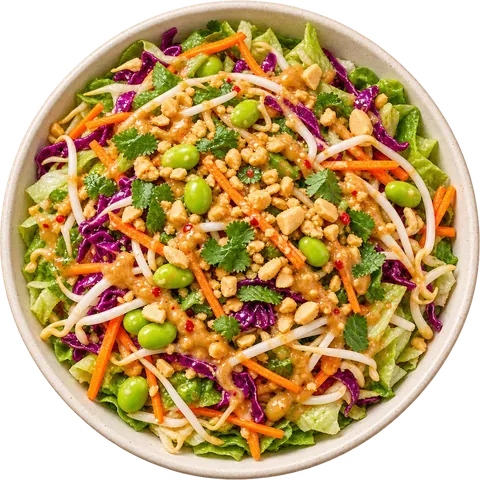
Pulling it together looks less like a diet and more like a pattern you repeat. Carbohydrate at most meals, protein spread through the day, some fat for staying power, and plenty of produce, with a little extra food around your hardest sessions. On busy days, a lunch that already has all of it, like the Crunchy Thai Peanut with its edamame, peanuts, and rice noodles, saves you the decision entirely.
If you want an easy place to start this week, pick one meal you already eat and make it more complete. That might mean adding a protein to lunch, or grabbing something like the Roasted Root salad at The Squeeze on Regent Street between errands downtown. Training in Fredericton asks a lot of you across a year, and eating like you plan to keep going is what makes that possible.
Eat well in Fredericton.
The Squeeze is downtown Fredericton's spot for fresh, made-to-order smoothies built with real ingredients. Whether you're a smoothie regular looking for inspiration or someone just getting started, stop in or order ahead — we make it easy to eat well.
Order from The Squeeze