

- Post-workout nutrition needs both protein and carbohydrates — not just protein alone.
- The 30–60 minute window after exercise is when your muscles are most receptive to nutrients.
- Practical smoothie combinations include Greek yogurt with banana, protein powder with berries, and nut butter with oats.
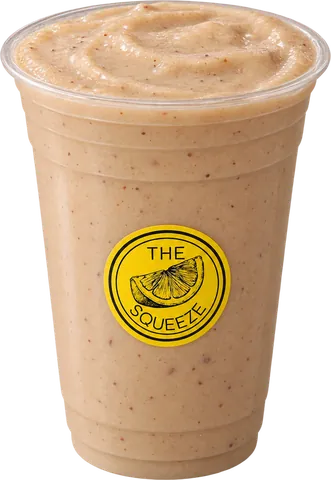
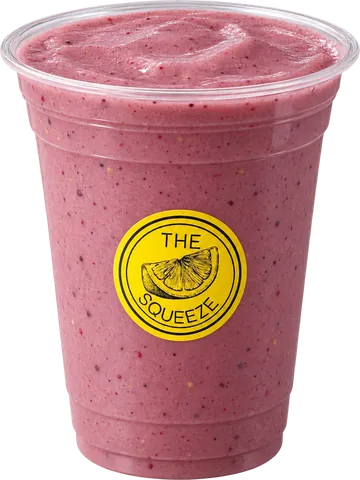
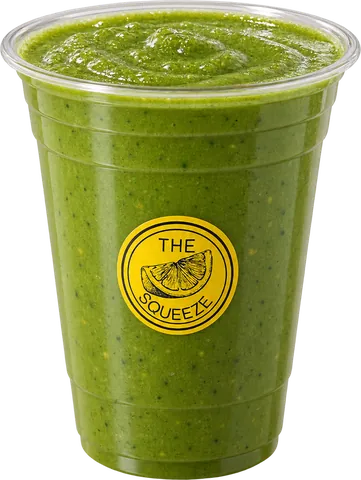
- The Squeeze's Strengthen and Restore smoothies are natural fits for active recovery.
- Smoothies work especially well for people who exercise before heading into a full day of work or commitments.
- Tart cherry, spinach, and cinnamon are easy recovery add-ins that make a real difference.
After a workout, your body is primed to absorb nutrients — and what you eat in that window matters. A well-built post-workout smoothie can support muscle repair, replenish energy stores, and help you feel ready for the rest of the day. For active people in Fredericton who squeeze in a gym session before heading to work or downtown, a smoothie is often the most practical option available.
The challenge is knowing what to actually put in it. This guide covers the nutritional role of post-workout nutrition, timing, and five specific combinations worth trying.
Why Post-Workout Nutrition Matters
Exercise depletes glycogen (stored carbohydrate in muscles) and causes micro-tears in muscle tissue that need to be repaired. Both of these processes require specific nutrients. Research published through the National Library of Medicine consistently supports the importance of combining protein and carbohydrates after exercise to optimize recovery — protein for muscle repair, carbohydrates to refuel glycogen stores.
Skipping post-workout nutrition — or eating only protein — slows recovery and leaves you feeling more fatigued than necessary heading into the rest of your day. This is especially noticeable for people who train in the morning and then spend hours on their feet or at a desk.
The good news is that meeting these needs doesn't require a complicated plan. A smoothie with the right ingredients can check both boxes in under two minutes of preparation.
The Timing Window: Why 30–60 Minutes Matters
You've likely heard about the "anabolic window" — the period after exercise when muscles are particularly receptive to nutrients. Current research suggests this window is real but more flexible than once believed. For most people, consuming protein and carbohydrates within 30 to 60 minutes of finishing exercise is still a practical and effective target.
The reasoning is straightforward: blood flow to muscles is elevated post-exercise, insulin sensitivity is higher, and the body is actively trying to begin repair. Eating during this window supports those processes more efficiently than waiting several hours.
For Fredericton residents who work out early before heading across the city to start their day, this means having a plan in place. Preparing smoothie ingredients the night before — or stopping somewhere that can make one quickly — makes staying within that window much easier.
The Protein-Carbohydrate Ratio That Works
Most post-workout nutrition guidance recommends a ratio somewhere between 2:1 and 3:1 carbohydrates to protein by weight, though individual needs vary based on intensity, body size, and overall diet. For a practical smoothie, this doesn't need to be calculated precisely — it means including both a solid protein source and a meaningful carbohydrate component.
Protein sources that work well in smoothies include Greek yogurt (around 15–17 grams per 3/4 cup), protein powder (typically 20–25 grams per scoop), cottage cheese (blends smoother than it sounds), and nut butter (around 7–8 grams per two tablespoons). For carbohydrates: banana is reliable, frozen berries provide antioxidants alongside sugars, and oats add sustained energy. Mixing a banana with Greek yogurt, for example, hits both targets without overthinking it.
Five Recovery Smoothie Combinations Worth Trying
These five combinations are practical, repeatable, and built around real ingredients you can find locally or keep stocked at home.
Banana and Greek yogurt: A foundational combination. The banana provides fast-acting carbohydrates; the yogurt delivers protein and live cultures. Add a splash of milk and a handful of spinach to round it out nutritionally without changing the flavour significantly.
Berry protein blend: Frozen mixed berries with a scoop of protein powder, oat milk, and a tablespoon of chia seeds. Berries offer antioxidants that may help reduce inflammation post-exercise, while the chia adds fibre and omega-3 fatty acids. This one is light and easy to drink even when appetite is suppressed right after a hard session.
Peanut butter and oat smoothie: Peanut butter, frozen banana, oats, and milk. This combination is more calorie-dense — appropriate for longer or more intense workouts. The oats provide sustained carbohydrate release, which is helpful if your next meal is still several hours away.
Tart cherry recovery blend: Tart cherry juice is one of the more well-researched options for reducing exercise-induced inflammation and supporting sleep quality during periods of heavy training. Blend it with Greek yogurt, a frozen banana, and a handful of spinach for a recovery smoothie that covers several bases at once.
Tropical protein option: Mango, pineapple, coconut water, and Greek yogurt. The tropical fruits replenish carbohydrates quickly, and coconut water adds electrolytes that support rehydration. This is a particularly refreshing option in summer when you want something light after an outdoor workout.
The Squeeze Smoothies Made for Active Recovery
If you're heading downtown after a workout and don't have time to blend at home, The Squeeze's smoothie menu has options that translate well to post-workout recovery. The Strengthen smoothie is built around ingredients that support muscle nourishment, while the Restore smoothie is designed with recovery and replenishment in mind — both are made fresh with whole ingredients, not pre-mixed concentrates.
For active Fredericton residents who work out before heading into the core of the city, stopping at The Squeeze on Regent Street fits naturally into that post-exercise window. It's a convenient way to meet recovery nutrition needs without having to prepare anything in advance.
What to Avoid in Post-Workout Smoothies
Not every smoothie ingredient helps with recovery. A few worth avoiding or minimizing after exercise:
- High-fat additions in large amounts — fat slows digestion and delays nutrient delivery when speed matters. A small amount of nut butter is fine; a large scoop of almond butter as the main ingredient is less ideal immediately after training.
- Excessive added sugar — fruit-based sugars are appropriate post-workout, but adding honey, syrups, or sweetened juices on top can push the sugar content higher than helpful.
- Smoothies with no protein — a fruit-only smoothie will replenish carbohydrates but won't support muscle repair. Make sure a protein source is always part of the equation.
The goal post-workout is efficient, balanced nutrition — not maximum calories or maximum sugar. A smoothie that feels light but covers protein and carbohydrates is often better than a heavy meal that takes longer to digest.
Making Post-Workout Smoothies Part of Your Routine
Consistency matters more than perfection. The best post-workout smoothie is the one you actually make — or the one you can access without disrupting your morning. For many active people in Fredericton who work out early before a full day of work, building a simple post-exercise routine around a smoothie is sustainable in a way that more complicated meal prep often is not.
Batch-prepping smoothie packs — pre-portioning frozen fruit, spinach, and oats into zip bags — can make morning smoothie prep take under two minutes. Alternatively, knowing where to stop downtown for something made fresh removes the prep entirely.
Either way, the nutritional goal stays the same: protein, carbohydrates, and something to drink it with. Get those three things right and your body will do the rest.
Eat well in Fredericton.
The Squeeze is downtown Fredericton's spot for fresh smoothies, salads, and wraps — made daily with real ingredients. Whether you're fuelling up before or recovering after a workout, we've got you covered. Stop in or order ahead.
Order from The Squeeze